
The question an anthropologist is asked most often is: “And what exactly is your work?” The short answer: they live among people for a long stretch, observe, take part, and write.
Participant observation
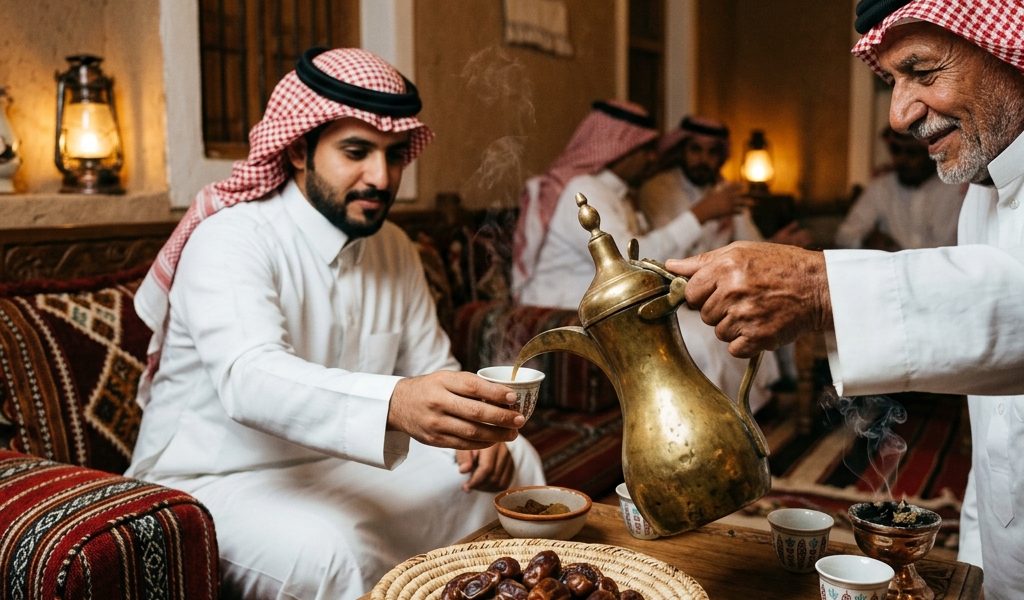
This is the primary instrument: to take part in daily life rather than watch it from a distance. You attend the weddings, you drink the coffee, you help with the work. Because what people say about themselves sometimes differs from what they do — and only participation reveals the gap.
The field notebook
The researcher writes down daily what was seen, what was heard, and what was felt. That last one matters: the researcher’s own confusion is information, because it shows where their assumptions part company with those of the people they are studying.
Time is a condition
A week is not enough. Good observation needs months, until people get used to your presence and return to being themselves. That is what makes anthropology slow — and it is also the source of its strength.
Republishing Anthro
Our work is free to republish under a Attribution — NoDerivatives licence. You may run it on your site or in print under the following terms:
- Publish the text as is, without altering its meaning or removing context.
- Credit the piece to its author and to Anthro, with a working link to the original.
- Images and illustrations are not included — each is separately licensed and must be cleared with its owner.
- Do not republish behind a paywall.