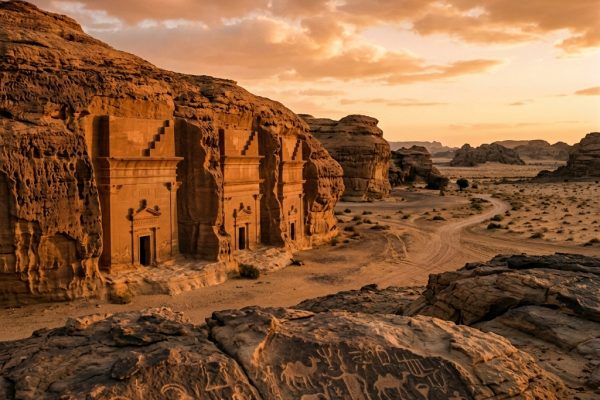
The AlUla inscriptions and the Lihyanites: documenting ancient belief and symbol
An anthropological analysis of rock texts and doctrinal symbols in the north-west of the Kingdom.
Ready-made units for teaching anthropology, each built from work published in Anthro.
5 ready-made units
An anthropological analysis of rock texts and doctrinal symbols in the north-west of the Kingdom.
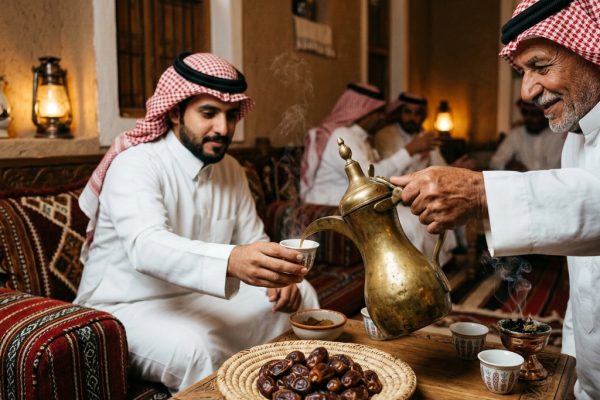
The small cup of Arabic coffee condenses every value of hospitality, generosity and tribal belonging. A study of daily ritual in Saudi life.
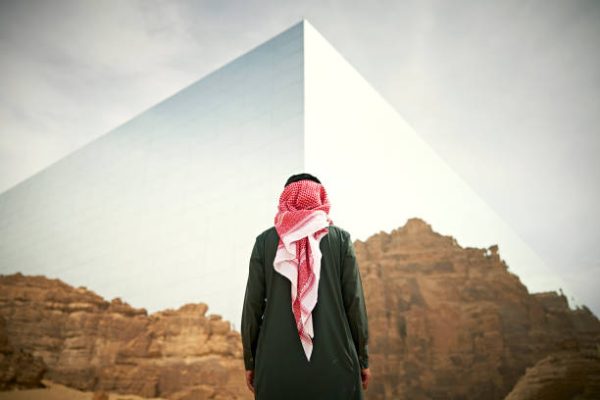
The thobe and the ghutrah are not merely clothing. They are a daily performance of identity that declares belonging and negotiates presence in Saudi social space.
An anthropological reading of what coffee means, and of the rituals of serving it in Saudi society across generations.
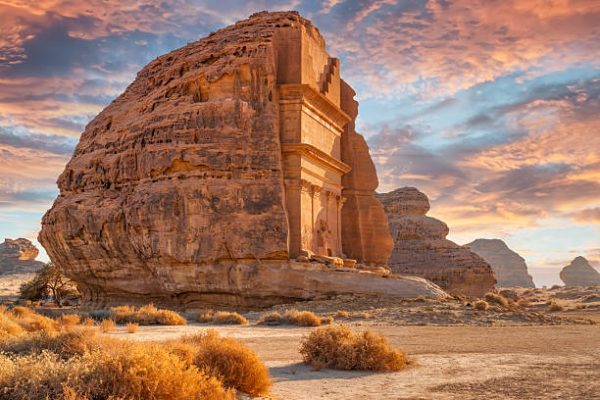
The rocks of AlUla hold a history alive with feeling, names and fear — human texts that outlast time and tell what the official archive left out.
Between 2015 and 2025 Saudi cities went through rapid social change that deserves careful anthropological observation — neither blind celebration nor despairing critique.
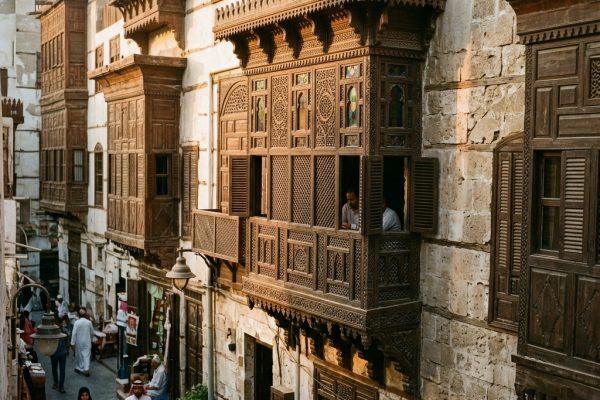
A field study of the Hijazi rawshan and its relationship to social structure and climatic adaptation in historic Jeddah.
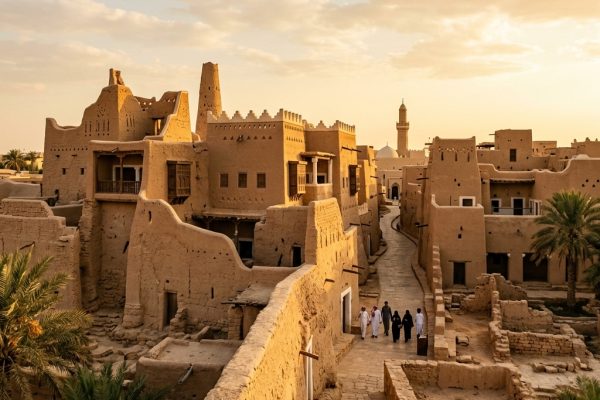
Mud architecture in Najd is not primitive. It is a sophisticated environmental engineering system that answers climate, society and economy with an efficiency modernity has yet to match.
Generosity in Saudi tribal culture is not merely an individual virtue. It is a complete socio-economic system that redistributes resources and produces standing and belonging.
The rawshan is more than a decorative architectural element. It is a complete social system that governs the relation of inside to outside, and private to public, in the traditional Hijazi environment.
The old souq in the Arab city is not only a place of buying and selling. It is a social theatre, a civilisational archive, and a map of identity drawn in people, smells and sounds.
Subscribe to the Anthro weekly: one article, one story, one anthropological question each week.