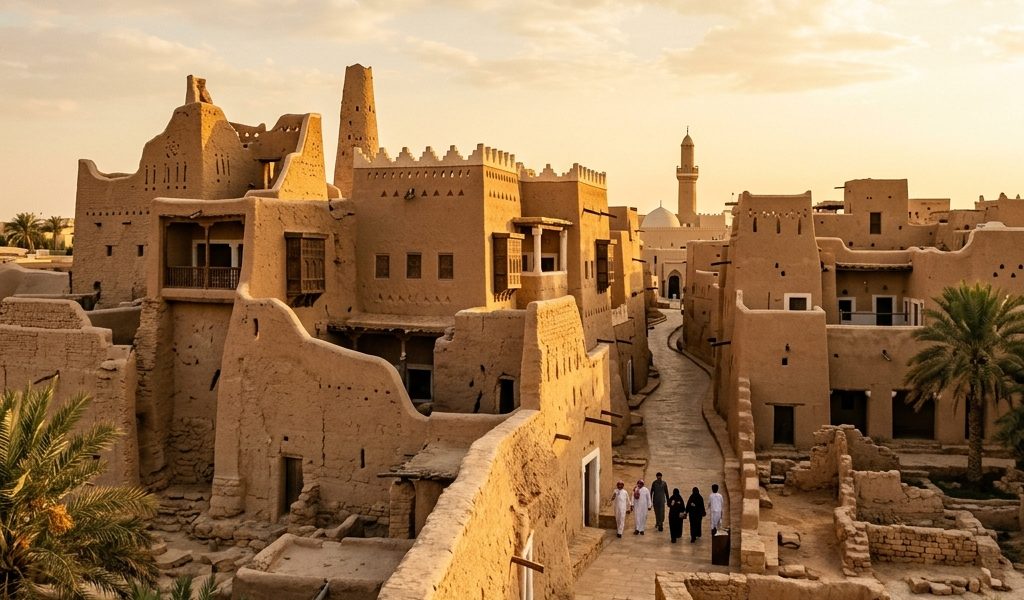

Ramadan is a religious practice, but it is also a complete social structure: the day is rescheduled, and the hours of work, sleep and visiting all change. Anthropology finds in it a rare laboratory — a single month in which the whole of social time is rearranged, and then returns to what it was.
From the neighbourhood to the app
The shared iftar in the neighbourhood was a daily practice in many cities. Today part of it has moved to restaurants and reservations, and part to family groups in messaging apps.
What remains?
What remains is the rhythm: that single moment of breaking the fast at which everything stops. And that is the essence of the rite — not its place nor its instruments, but its synchrony. So long as the synchrony holds, the rite holds, however its image changes.
Republishing Anthro
Our work is free to republish under a Attribution — NoDerivatives licence. You may run it on your site or in print under the following terms:
- Publish the text as is, without altering its meaning or removing context.
- Credit the piece to its author and to Anthro, with a working link to the original.
- Images and illustrations are not included — each is separately licensed and must be cleared with its owner.
- Do not republish behind a paywall.
One comment