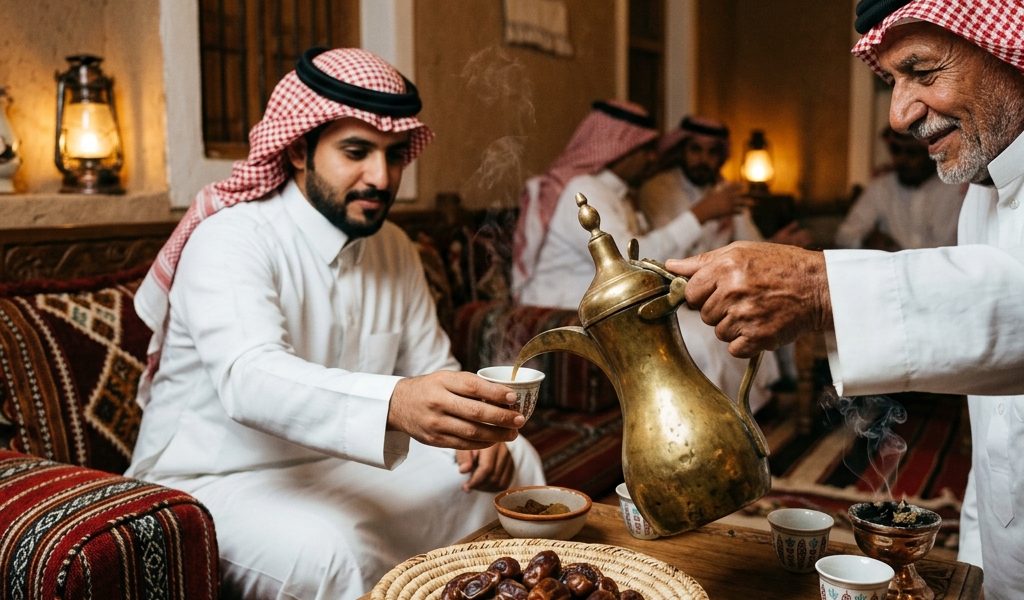

The table is the smallest social unit that can be observed whole.
Editor’s note: this is an introductory translation prepared by the Anthro team for display purposes. Genuine translated material is published with the permission of its original publisher and with full attribution to its source.
Many anthropologists begin from food because it gathers in one place what is otherwise hard to gather at all: economy, kinship, religion, taste and memory.
Who cooks and who sits first
The question “who cooks?” reveals the division of labour within the household. The question “who eats first?” reveals the order of standing. Both can be observed with the eye, without a questionnaire.
The dish as a boundary
What we count as food and what we refuse is not a matter of nutrition but of cultural boundary. Which is why the list of the forbidden defines a group to itself more clearly than the list of the permitted.
Republishing Anthro
Our work is free to republish under a Attribution — NoDerivatives licence. You may run it on your site or in print under the following terms:
- Publish the text as is, without altering its meaning or removing context.
- Credit the piece to its author and to Anthro, with a working link to the original.
- Images and illustrations are not included — each is separately licensed and must be cleared with its owner.
- Do not republish behind a paywall.
One comment